Accessibility Days One event. One ecosystem.

Italy’s largest digital accessibility event relied on six disconnected tools. We took over its AWS infrastructure and designed an ecosystem of services that share data, access and processes, accessible in every part.

A browser window and a smartphone on a yellow background show the Accessibility Days Hub sign-in page.
Client
Accessibility Days APS
Focus
  • Cloud architecture
  • AWS
  • Integrations
  • Process digitalisation
  • Accessibility
  • Custom software
Year
2025

Accessibility Days is Italy’s largest event on accessibility and inclusion: since 2017 it has brought together developers, designers, companies, public bodies and people with disabilities, free of charge, on site and streamed with captions and Italian Sign Language. Behind the scenes, every edition relied on isolated tools: a WordPress site, separate contact lists, Visual Basic scripts only their author could run, an app with local data for each edition, WhatsApp groups and one Excel file per activity.

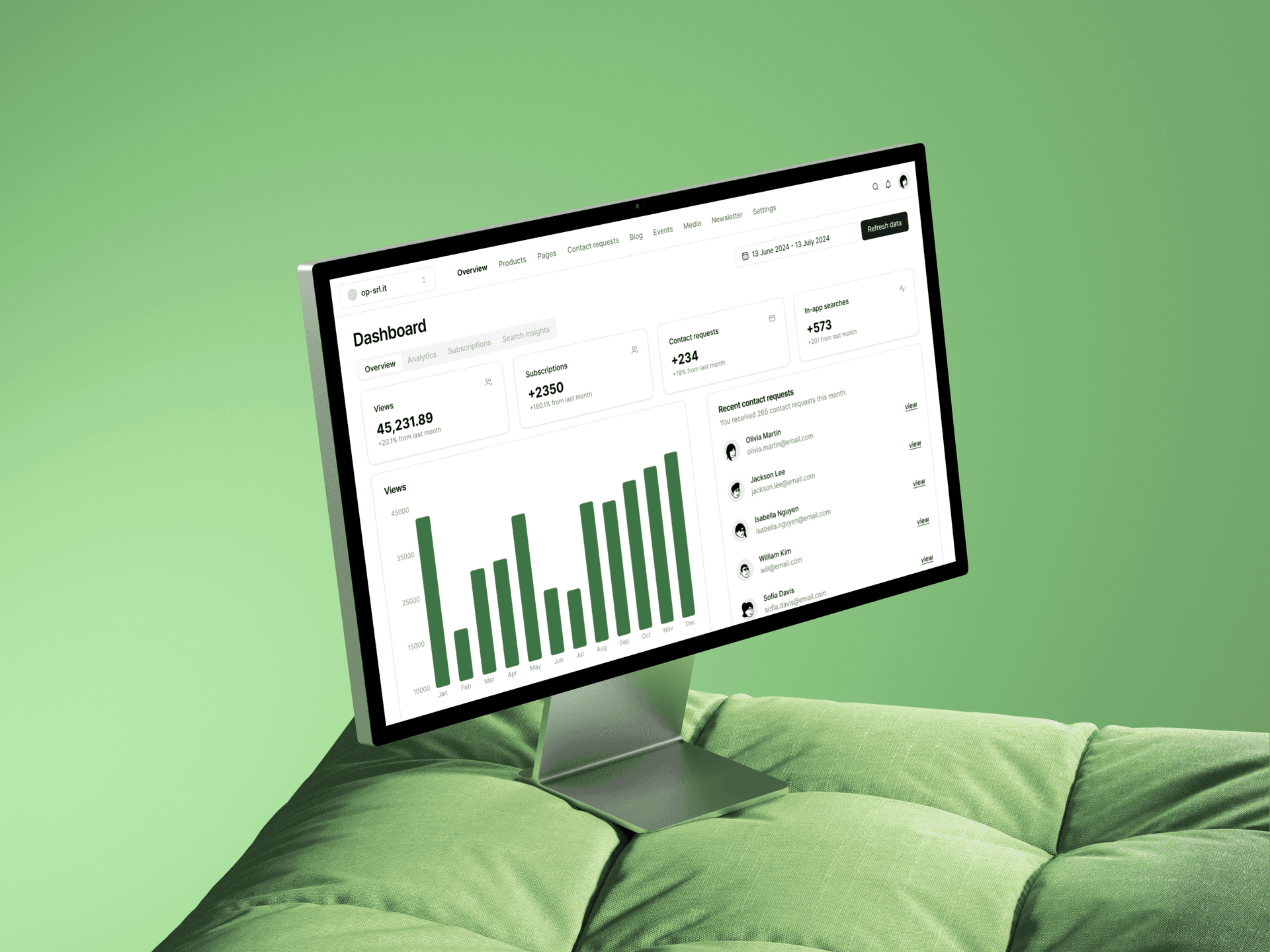
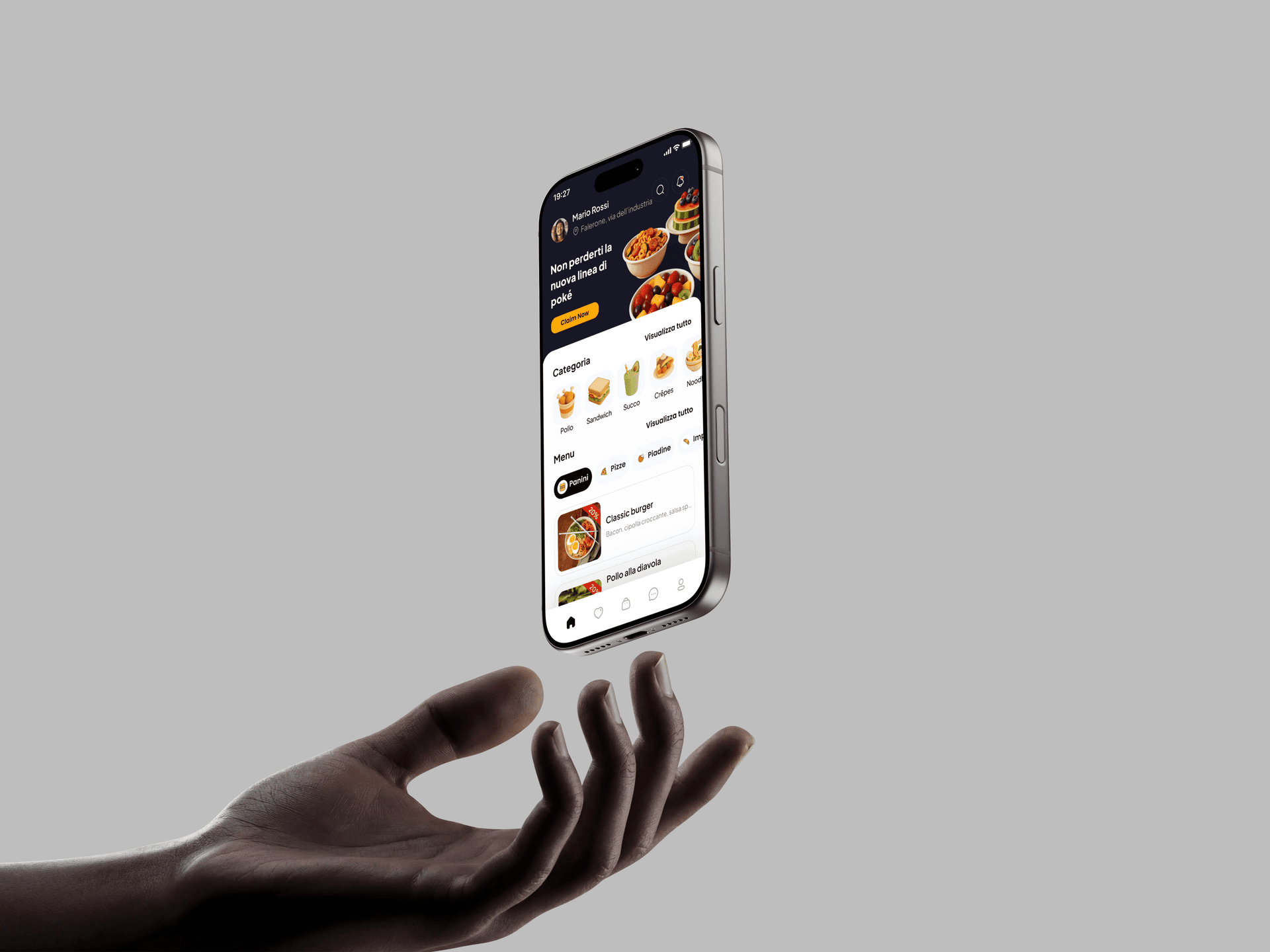
We took over the AWS infrastructure and redesigned its architecture: a core of central services handling data, access and processes, and the applications built on it — the website of each edition, the Hub for attendees and speakers on web and mobile, the role-based administration for organisers, staff and volunteers, and the areas for calls for sessions and sponsors.

We supported the team in design and development and digitalised the event’s processes, from setting up an edition to certificates and data analysis. Accessibility, handled together with ariaLab, was a requirement of every phase rather than a final check.

Challenges

  • Bring together data scattered across six tools that did not talk to each other.
  • Make every application WCAG 2.2 AA compliant, including the team’s internal tools.
  • Turn each edition from a rebuild from scratch into a repeatable cycle.
  • Handle the peaks of registration openings and event days, across check-in, meals and workshops.

Services

We joined a project already under way, with an AWS platform to consolidate and processes still spread across separate tools. Our work brought together infrastructure, service architecture and the way the team works.

Cloud architecture on AWS

We took over the infrastructure and redesigned the request path: DNS and routing on Cloudflare, protection with WAF and Shield, CloudFront and S3 for content and materials, a load balancer and EC2 Auto Scaling for the applications, RDS for data and SES for email.

Services that talk to each other

We designed a single data platform with shared APIs: website, Hub, administration and dedicated areas read and write the same information, with no copies to realign by hand.

Process digitalisation

We turned the event’s macro activities into digital workflows: editions and tickets, calls for sessions and sponsors, approvals, multi-day and multi-room agenda, registrations, check-in, certificates, feedback and analytics.

Design and development with the team

We supported the team in building the applications and the custom tools needed when available ones were not accessible: a Markdown-based text editor, an accessible social graphics generator and work management for the whole team.

The decisions

  1. One piece of data, one source.

    Instead of syncing different tools, every application uses the same data platform and APIs. Each piece of information is entered once and stays consistent everywhere, from the website to the Hub to check-in.

  2. Accessibility is a requirement, not a final test.

    Contrast, focus, content hierarchy, semantic HTML and error handling go from design into development. With every release, before publishing, we check with NVDA, JAWS, VoiceOver and TalkBack.

  3. Build the tools when existing ones exclude people.

    The most common editors and task managers were not usable by the whole team. Where needed we built accessible alternatives, with contrast and alternative text guaranteed by templates.

The Hub on mobile, checked with screen readers, the AWS architecture behind the ecosystem and the shift from isolated tools to a single data platform.

On a yellow background, a smartphone shows the Accessibility Days Hub with sign-in and the navigation bar; beside it, the WCAG 2.2 AA badge and the screen readers used in testing: NVDA, JAWS, VoiceOver and TalkBack.AWS architecture diagram on a black background: Cloudflare, WAF and Shield and CloudFront at the entry point; inside the VPC a load balancer, EC2 Auto Scaling and Amazon RDS; alongside Amazon S3 for files and materials and Amazon SES for email; below, the five applications and upcoming services: streaming, push notifications, badges and AI agents.Two-column diagram. On the left, “Before”: six isolated tools, namely WordPress, Voxmail, Visual Basic scripts, a mobile app with local data, WhatsApp and Excel. On the right, “Today”: a data platform with shared APIs, powering sites and landing pages, Hub, administration, call for sessions and sponsor area.

What changed

The main change is a repeatable way to build every edition: the same features, the same data and the same infrastructure, accessible to the people attending and the people organising.

Data

Before
Six isolated tools and one Excel file per activity, with no aggregated data.
After
A data platform with APIs shared by every application, with reports and analytics for each edition.

Organisation

Before
Scripts only their author could run and coordination left to WhatsApp groups.
After
Role-based administration for organisers, staff and volunteers, from check-in for entrances, meals and workshops to certificates.

Attendees and speakers

Before
An inaccessible app with local data to update for every edition.
After
A Hub on web and mobile with agenda, registrations and materials, checked with screen readers at every release.

Infrastructure

Before
An isolated event website on WordPress.
After
A scalable, protected AWS architecture, ready for streaming, notifications and new services.

Let’s start withwhat’s holding you back.

Do your services also run on tools and infrastructure that don’t talk to each other? We start from a map of applications, data and flows to design a cloud architecture that handles peaks and grows with you.

Request an initial conversation

The first conversation helps us understand the context. Audits, development and support each have their own scope and proposal.